Kitchen cabinet declutter in five steps

Clear every item out of your cabinets to see the space you actually have. Sort your belongings into categories and remove anything you have not used in the last year. This kitchen cabinet declutter process takes about sixty minutes for a standard sized kitchen.
How to declutter your kitchen cabinets
Start by clearing off your kitchen counters so you have a wide, flat surface to work on. You need a place to stage every item as it comes out of the cupboard. Work on one section at a time so you do not get overwhelmed by a massive mess. Emptying everything at once often leads to fatigue before the job is done. Move through the room clockwise to keep your place.
As you empty the shelves, look at each item with a critical eye. If you have five spatulas but only ever use two, it is time to let the others go. We often keep gadgets because we feel guilty about the price we paid, but a crowded cabinet makes daily cooking much harder. Focus on keeping the tools that make your life easier every single day.
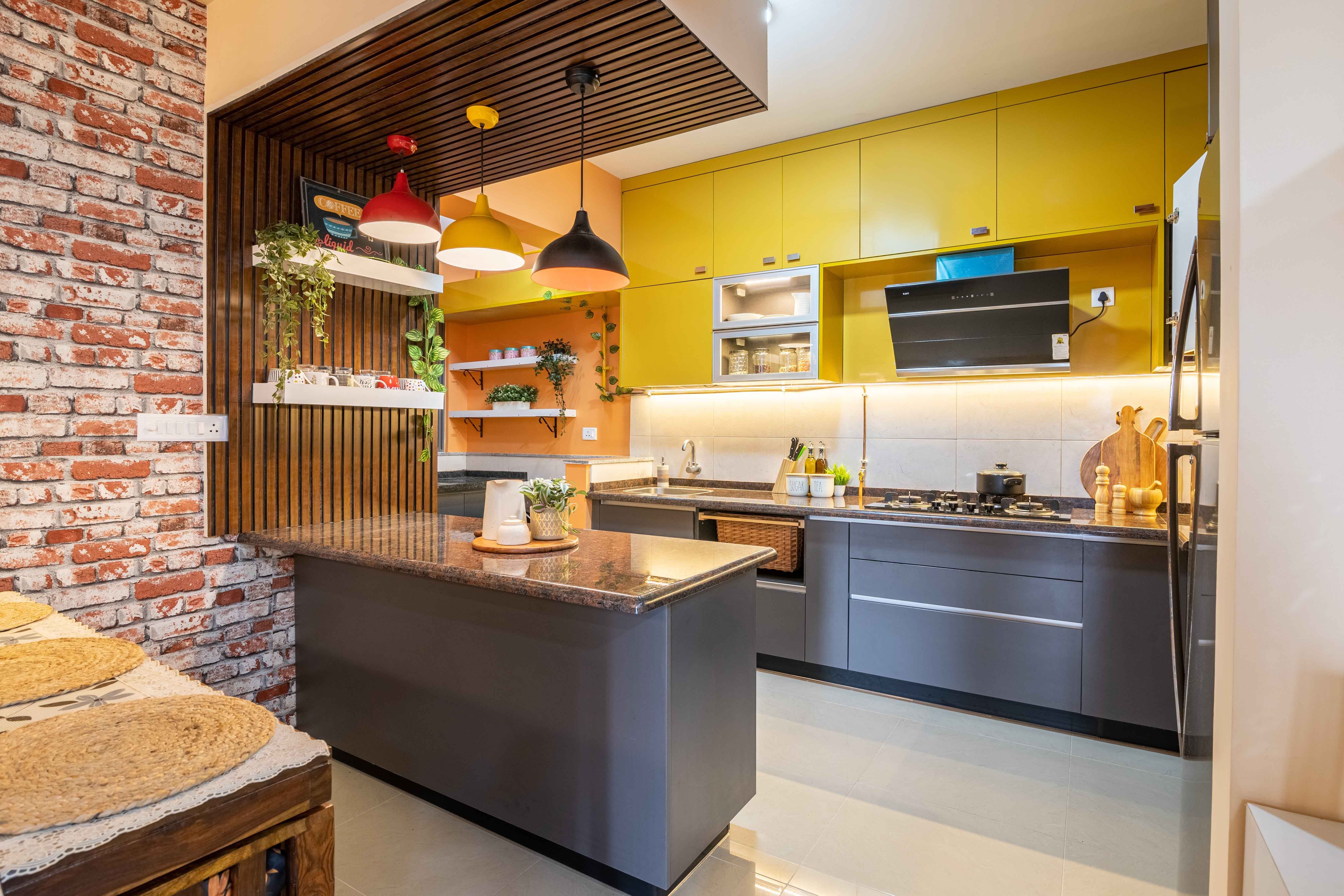
The five step cleaning process
Once your cabinets are empty, you must clean the surfaces before putting anything back. Dust and crumbs collect in the corners of even the tidiest kitchens. Use a damp microfiber cloth and a mild soap to wipe down the interior of the shelves and the cabinet doors. This is a core part of housekeeping that ensures your food storage stays sanitary and fresh.
- Step 1: Empty every shelf and drawer completely onto the counter.
- Step 2: Wipe down the interior surfaces and hardware with a clean cloth.
- Step 3: Sort items into three piles: keep, donate, and trash.
- Step 4: Group the keep items by their function and frequency of use.
- Step 5: Place items back into the cabinets using a logical layout.
Sorting your kitchen essentials
Grouping items by their purpose helps you find things faster when you are busy cooking. Keep all your baking supplies in one spot and your everyday dinnerware in another. This prevents you from searching through multiple cabinets just to make a simple meal. If you have items that you only use once a year, like a turkey roaster, move them to a higher shelf or a storage closet elsewhere.
Many people find that professional organizing techniques help keep the clutter from returning. You should only keep what fits comfortably on the shelf without stacking things too high. If you have to move four bowls to get to the one on the bottom, you have too many bowls for that space. Keeping a small margin of empty space on each shelf makes it much easier to maintain the order long after the reset is over.
Organizing for daily use
The items you use every day should live between your waist and eye level. This is the prime real estate of your kitchen. Heavy items like stand mixers or large pots should stay on lower shelves to prevent injury. Glassware and plates are best placed near the dishwasher or the sink to make putting them away a quick task. When everything has a dedicated home, your kitchen stays clean for longer periods.
- Place daily coffee mugs on the shelf directly above the coffee maker.
- Store heavy cast iron pans on the lowest sturdy shelf available.
- Group spices in a single layer or on a tiered riser for visibility.
- Keep plastic food containers and their matching lids in one deep drawer.
- Store baking sheets and cutting boards vertically to save space.
Maintaining your decluttered cabinets
A kitchen reset only sticks if you change how you put things away. Take an extra three seconds to stack the pans neatly instead of tossing them inside. If you buy a new kitchen gadget, try to remove an old one to keep the balance. Checking your cabinets once a month for five minutes helps catch any clutter before it grows into a bigger problem. Small habits are the secret to a peaceful home.
Check your expiration dates on canned goods and dry pantry items while you are organizing. Toss anything that is past its prime or smells stale. If you find food that is still good but you know your family will not eat it, put it in a bag for the local food bank. A clean cabinet is not just about the look, it is about having a functional space that supports your health and your schedule.


Comments
Post a Comment