How to Mix Wood Tones in One Room: 5 Easy Rules

You can mix wood tones in one room by picking one dominant wood shade and keeping the undertones consistent across your other pieces. Contrast light oak with dark walnut, but make sure their undertones both lean warm or both lean cool. Adding a woven rug or a brass accent between different wood pieces breaks up the hard edges and makes the room look intentionally styled.
Choose one main shade to anchor the space
Start by selecting the main wood finish that covers the largest surface area in your room. This is usually your hardwood flooring, a large dining table, or a full wall of cabinets. This main tone takes up about sixty percent of the wood in the space. Once this anchor is set, every other wood piece you bring in will serve as an accent.
When you place your secondary wood items, keep them at least two shades lighter or darker than your main piece. Matching woods too closely looks like a near miss rather than a smart choice. For example, pair honey oak floors with a deep espresso coffee table. The clear difference in depth makes each piece stand out on its own while keeping the room balanced.
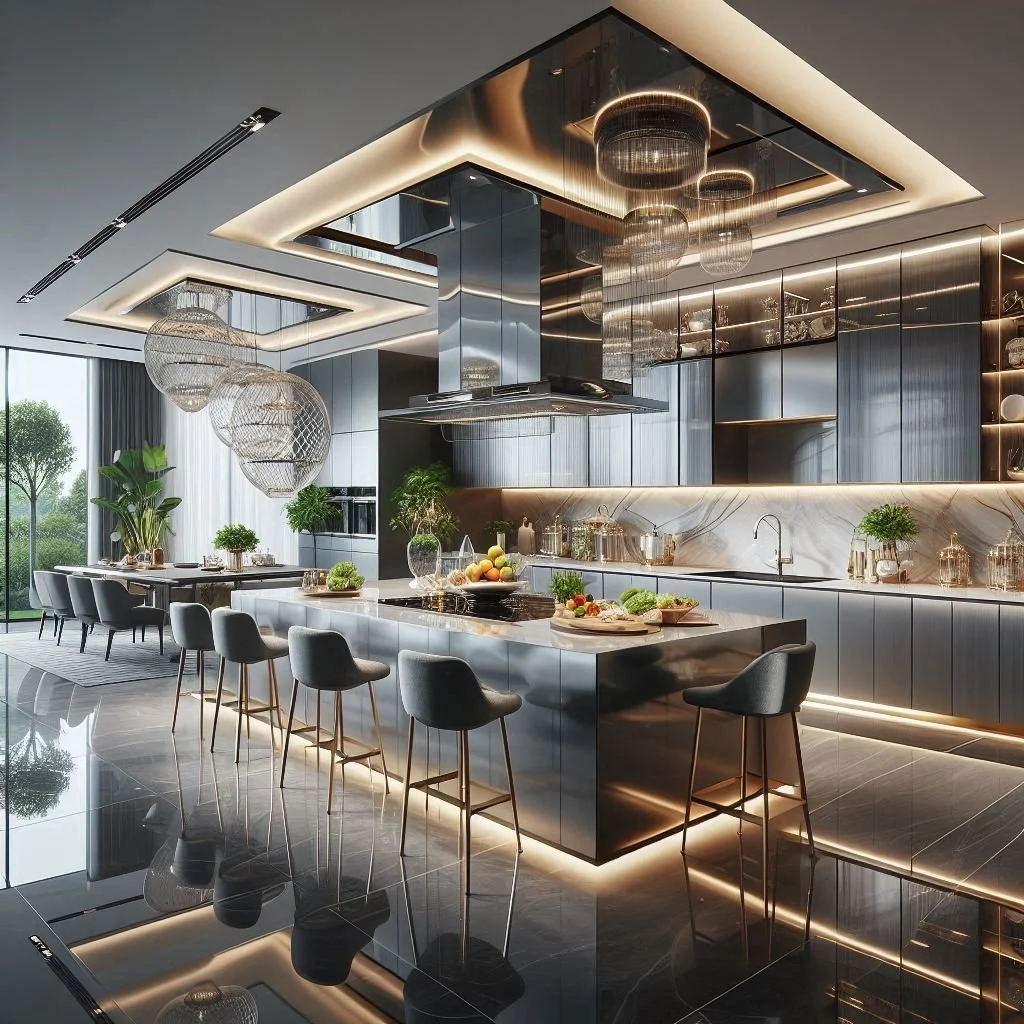
How to mix wood tones by matching undertones
The easiest trick to create harmony is looking at the hidden color beneath the stain. Wood finishes have either warm, cool, or neutral undertones. Warm woods show hints of red, orange, or yellow, while cool woods have gray or ash tones. You can mix a light wood with a dark wood, but their undertones should stay in the same color family.
Before buying new furniture, take five minutes to check your current pieces in natural daylight. Use this simple guide to identify your undertones:
- Warm undertones: Cherry, pine, warm oak, and mahogany with orange or red hints.
- Cool undertones: Driftwood, gray washed pine, and bleached ash with cool slate notes.
- Neutral undertones: Natural walnut and mid tone oak that look soft without strong yellow or gray shades.
Use textiles to separate touching wood finishes
Placing a wooden chair directly on a wooden floor with a different stain creates a harsh contrast. You can soften this transition instantly by using soft materials and layered textures. A textured wool rug under a dining table acts as a visual buffer between the table legs and the floorboards.
Try using items you already own to break up large wooden surfaces. This step takes ten minutes and makes a huge difference in how the room feels:
- Lay a large jute or wool area rug over your wood floor before adding furniture.
- Drape a linen runner across a dark wood sideboard before setting down a light wood tray.
- Style a bookshelf with ceramic vases and books to hide large areas of wood backing.
- Add painted dining chairs around a raw wood table to cut down on total timber surfaces.
Repeat each wood finish at least twice
An isolated wood finish can look like an accident or an odd piece left over from another house. If you introduce a dark walnut side table into an oak room, add a second walnut item somewhere else in the space. This could be a picture frame on the wall, a small decorative bowl, or the legs of an armchair.
Repeating each finish twice creates rhythm in your interior design scheme. It draws the eye across the entire room instead of letting it stick on one odd furniture piece. Stick to three distinct wood finishes per room to keep your home looking calm, relaxed, and cohesive.


Comments
Post a Comment